Source Butt Lifting Fenugreek Oil for Body, Hip, and Buttock Enhancement
Explore 30 listings of butt lifting fenugreek oil designed for body contouring, hip shaping, and buttock enlargement. Buyers can compare specifications, ingredients, and pricing to find suitable suppliers for private label needs.
Key considerations
Products List



Comprehensive Sourcing Guide
Butt Lifting Fenugreek Oil Sourcing Guide
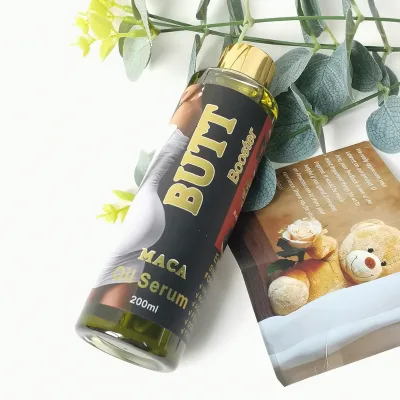
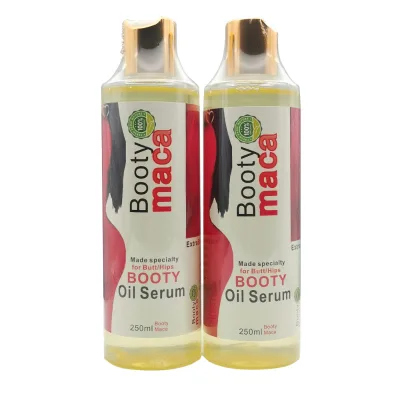
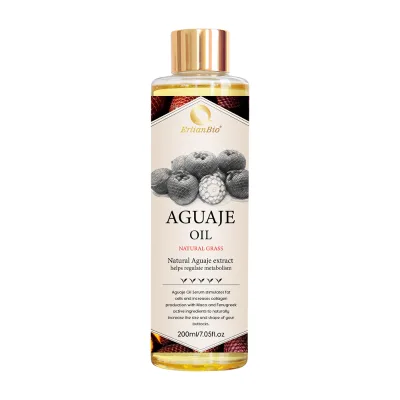
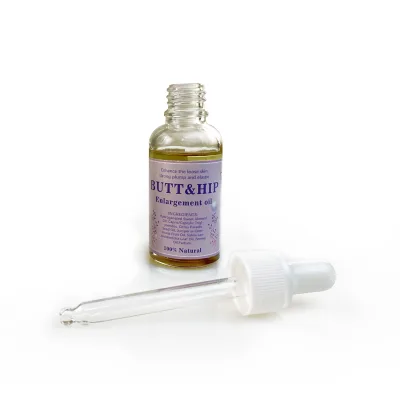
Sourcing buto enhancement formulations requires a clear understanding of the distinction between cosmetic serums and regulated medical devices. The market for fenugreek-based body oils is dominated by private-label manufacturers in Guangdong, China, who offer OEM and ODM services to brands seeking niche body contouring solutions. Buyers must recognize that these products are typically classified as cosmetics or personal care items rather than pharmaceuticals, which dictates the regulatory pathway and the type of safety data required for international distribution. The core ingredient, fenugreek, is often combined with other botanical extracts such as maca, papaya, or aguaje to create compound essential oil blends marketed for firming and enlargement.
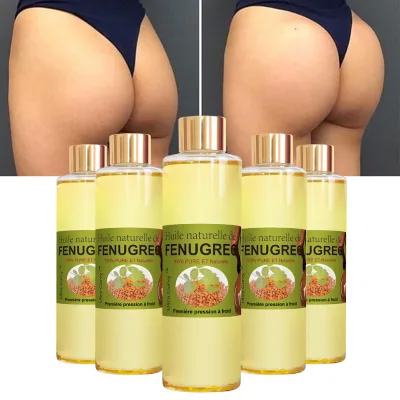
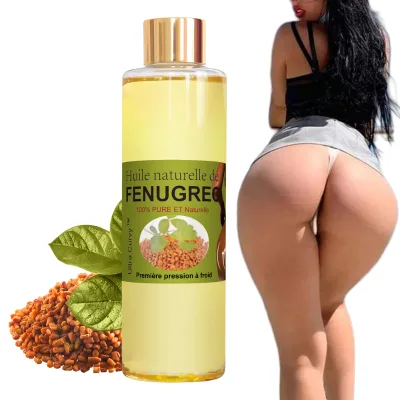
Procurement decisions should be driven by the specific functional claims intended for the final product. Listings frequently highlight attributes such as "butt enlargement," "hip enhancement," and "firming," with some products also claiming lightening effects. It is critical to align the supplier’s technical capabilities with these marketing claims. For instance, while some formulations are labeled as pure essential oils, others are explicitly described as compound serums containing multiple herbal extracts. Understanding this distinction is vital for accurate ingredient labeling, consumer safety assessments, and ensuring that the product’s performance profile matches the brand’s positioning in the target market.
Product Scope and Observed Listing Signals
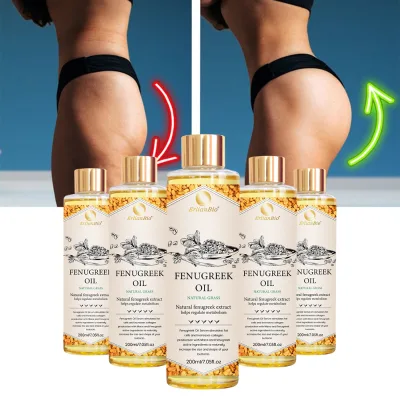
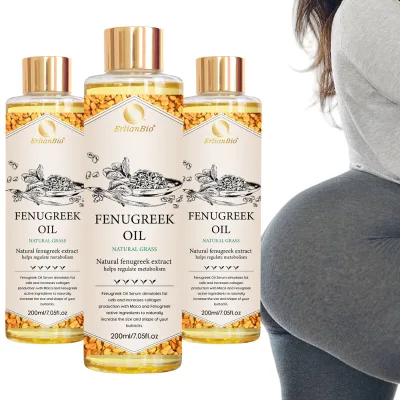
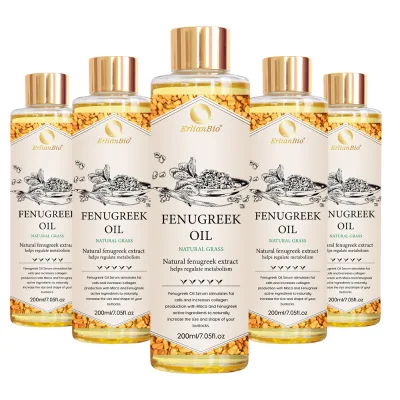
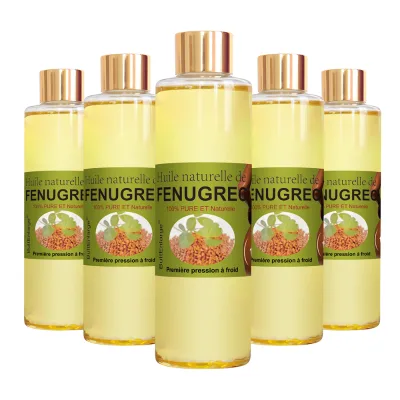
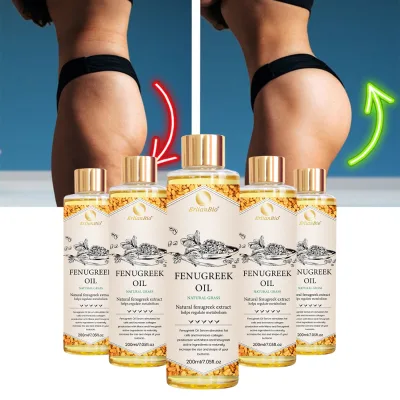
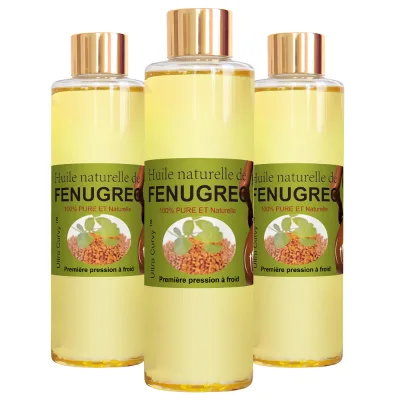
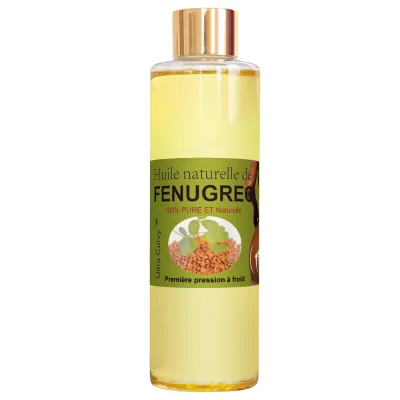
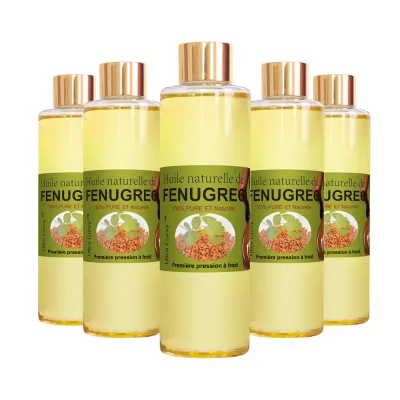
The current market landscape for fenugreek-based body oils shows a concentration of liquid formulations with volumes typically around 200ml. Observed listing signals indicate a wide range of branding strategies, with suppliers offering generic labels alongside custom private label services. Common product names include "Butt Enlargement Fenugreek Oil," "FENUGREEK OIL," and "enlargement oil serum." The physical presentation often involves single-item packaging with specific dimensions, such as 7x7x20 cm for smaller units or larger cartons measuring 20x30x40 cm for bulk shipping. Buyers should note that while the core ingredient is fenugreek, the exact composition varies significantly between suppliers, ranging from single-ingredient oils to complex blends.
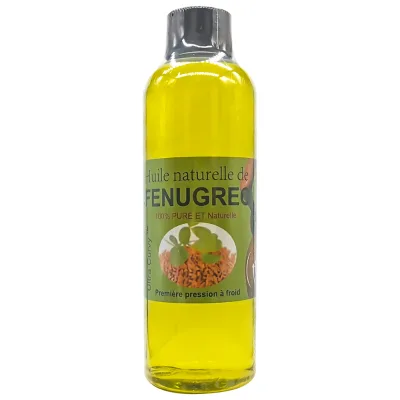
Ingredient profiles observed in the market include fenugreek extract, maca root, black maca, aguaje, and occasionally tea tree or almond oil. These ingredients are selected for their purported ability to enhance skin elasticity and promote tissue fullness. The products are generally marketed for all skin types and are intended for external application on the buttocks and hips. Some listings specify a natural smell and a yellow color, which are typical characteristics of unrefined or lightly processed botanical oils. However, buyers must verify the exact ingredient list for each SKU, as some products may contain additional herbal extracts or carrier oils that could impact allergen profiles or shelf stability.
Technical Specifications to Verify
Technical verification begins with the formulation type and purity claims. Suppliers may describe their products as "100% Pure" essential oils or as "Compound Essential Oils" containing multiple active ingredients. It is essential to request detailed formulation sheets to confirm the concentration of active botanicals such as fenugreek and maca. The raw materials are often sourced from roots, and buyers should inquire about the extraction method to ensure the potency of the active compounds. Additionally, the physical properties of the oil, such as viscosity and color, should be consistent with the supplier’s specifications to avoid discrepancies in the final product received.
Packaging and logistical specifications are equally critical for supply chain planning. The single gross weight of these products typically ranges from 0.200 kg to 0.300 kg, depending on the bottle size and packaging materials. Buyers must verify the shelf life, which is commonly listed as two to three years, to ensure adequate time for distribution and retail turnover. The model numbers and size types, often described as "regular size," should be cross-referenced with the actual product dimensions to optimize palletization and shipping costs. Confirming these technical details early in the sourcing process helps prevent unexpected costs or logistical bottlenecks during production and delivery.
Compliance and Safety Documentation
Regulatory compliance is a paramount concern when importing cosmetic and personal care products. Suppliers in China often provide certifications such as GMP, MSDS, and ISO, which indicate adherence to good manufacturing practices and safety data standards. However, buyers must verify that these certifications are valid and applicable to the specific product batch. The MSDS (Material Safety Data Sheet) is particularly important for understanding the chemical composition and handling requirements, especially if the product contains essential oils or herbal extracts that may have specific storage or transportation restrictions.
Beyond basic certifications, buyers should request detailed ingredient disclosures and safety assessments to meet the regulatory requirements of their target markets. For example, the European Union’s Cosmetic Regulation requires a Product Information File (PIF) and a Responsible Person, while the United States requires adherence to FDA guidelines for cosmetic labeling. Buyers must ensure that the supplier can provide the necessary documentation, including full ingredient lists, allergen information, and stability testing results. It is also crucial to verify that the product does not contain any prohibited substances or restricted concentrations of active ingredients in the destination country.
Cost Drivers and Commercial Terms
The cost of fenugreek-based body oils is influenced by several factors, including the purity of the ingredients, the complexity of the formulation, and the volume of the order. Observed price ranges in the market vary, reflecting differences in ingredient quality and packaging sophistication. Buyers should expect to negotiate based on the MOQ (Minimum Order Quantity), which typically ranges from 10 to 1000 bottles. Lower MOQs may result in higher per-unit costs, while larger orders can leverage economies of scale to reduce prices. It is important to clarify whether the quoted price includes packaging materials, labeling, and any custom branding services.
Commercial terms also play a significant role in the total cost of ownership. Buyers should inquire about sample availability, as many suppliers offer samples for quality evaluation before committing to a full order. The lead time for production and shipping should be clearly defined, as delays can impact inventory planning and market launch schedules. Additionally, buyers should consider the costs associated with private labeling, including design fees and printing costs for labels and packaging. Understanding these commercial terms helps in creating an accurate budget and avoiding hidden costs that can erode profit margins.
Supplier Qualification and Quality Control
Selecting a reliable supplier requires a thorough evaluation of their manufacturing capabilities and quality control processes. Buyers should verify the supplier’s production facilities, ensuring they adhere to GMP standards and have the capacity to handle custom formulations. It is advisable to request a factory audit or a third-party inspection report to assess the cleanliness, organization, and technical competence of the production line. Suppliers offering OEM and ODM services should demonstrate flexibility in adapting formulations to meet specific brand requirements while maintaining consistent quality.
Quality control measures should be integrated into the procurement process from the outset. Buyers should establish clear acceptance criteria for the final product, including visual inspection, scent, texture, and packaging integrity. It is recommended to implement a pre-shipment inspection (PSI) to verify that the goods meet the agreed-upon specifications before they are dispatched. Additionally, buyers should request batch-specific test reports to confirm the potency and safety of the active ingredients. Establishing a robust quality control framework helps mitigate the risk of receiving substandard products and ensures customer satisfaction.
Long-Term Procurement Checks
Sourcing fenugreek-based body oils is not a one-time transaction but an ongoing relationship that requires continuous monitoring and evaluation. Buyers should regularly review supplier performance metrics, including on-time delivery rates, product quality consistency, and responsiveness to issues. Building a strong relationship with the supplier can lead to better pricing, priority production slots, and collaborative innovation in new formulations. It is also important to stay updated on changes in regulatory requirements and market trends that may impact the product’s viability and compliance status.
Long-term procurement strategies should include diversification of suppliers to mitigate risks associated with supply chain disruptions. Maintaining a list of alternative suppliers can provide flexibility in case of quality issues or capacity constraints with the primary supplier. Additionally, buyers should invest in market research to understand consumer preferences and emerging trends in body care products. This knowledge can inform future sourcing decisions and help in developing products that meet evolving customer demands. By adopting a proactive and strategic approach to procurement, buyers can ensure the long-term success and competitiveness of their brand in the body enhancement market.
FAQs
What ingredients are in the butt enlargement oil?
The product contains fenugreek, maca, and herbal extracts. Some formulations also include tea tree, almond, papaya, and aguaje. These natural components are selected to support body contouring goals.
Can I get private label service for this oil?
Yes, OEM and ODM private label services are available for this product. Buyers can customize the packaging and branding to meet their specific market needs while maintaining the core formula.
What is the minimum order quantity for this oil?
The minimum order quantity starts at 10 bottles. Some listings indicate a range up to 1000 units depending on the specific supplier configuration and customization requirements for the order.
Where is this fenugreek oil manufactured?
The product originates from Guangdong, China. This location is a known hub for cosmetic manufacturing, ensuring access to established supply chains and production facilities for bulk orders.
How long is the shelf life of the oil?
The shelf life is typically three years, though some variations list two years. Proper storage conditions are required to maintain the stability and efficacy of the essential oil blend.
What certifications does the manufacturer hold?
The product holds GMP, MSDS, and ISO certifications. These standards verify that the manufacturing process adheres to quality management and safety protocols required for cosmetic and personal care items.
Is a sample available for testing before bulk order?
Samples are available for buyers to test the product quality. This allows potential clients to evaluate the texture, scent, and performance before committing to a larger purchase volume.